Kỹ Thuật Thi Cấp Chứng Chỉ Bảo Mật
Cách ngồi thi cấp chứng chỉ bảo mật, không phải cách nắm được kiến thức: trả lời từ định tính viết hoa, biến bài thi thử thành chẩn đoán, xử lý từng tùy chọn sai lệch, phân bổ thời gian, và xây dựng các phản xạ không bị sụp đổ dưới áp lực. Một khóa học độc lập, không liên kết với hoặc được hỗ trợ bởi ISACA, ISC2, CompTIA hay Microsoft.
- trending_upIntermediate
- schedule5h 7m
- menu_book9 bài học
- publicEnglish
- workspace_premiumBasic
Tóm tắt
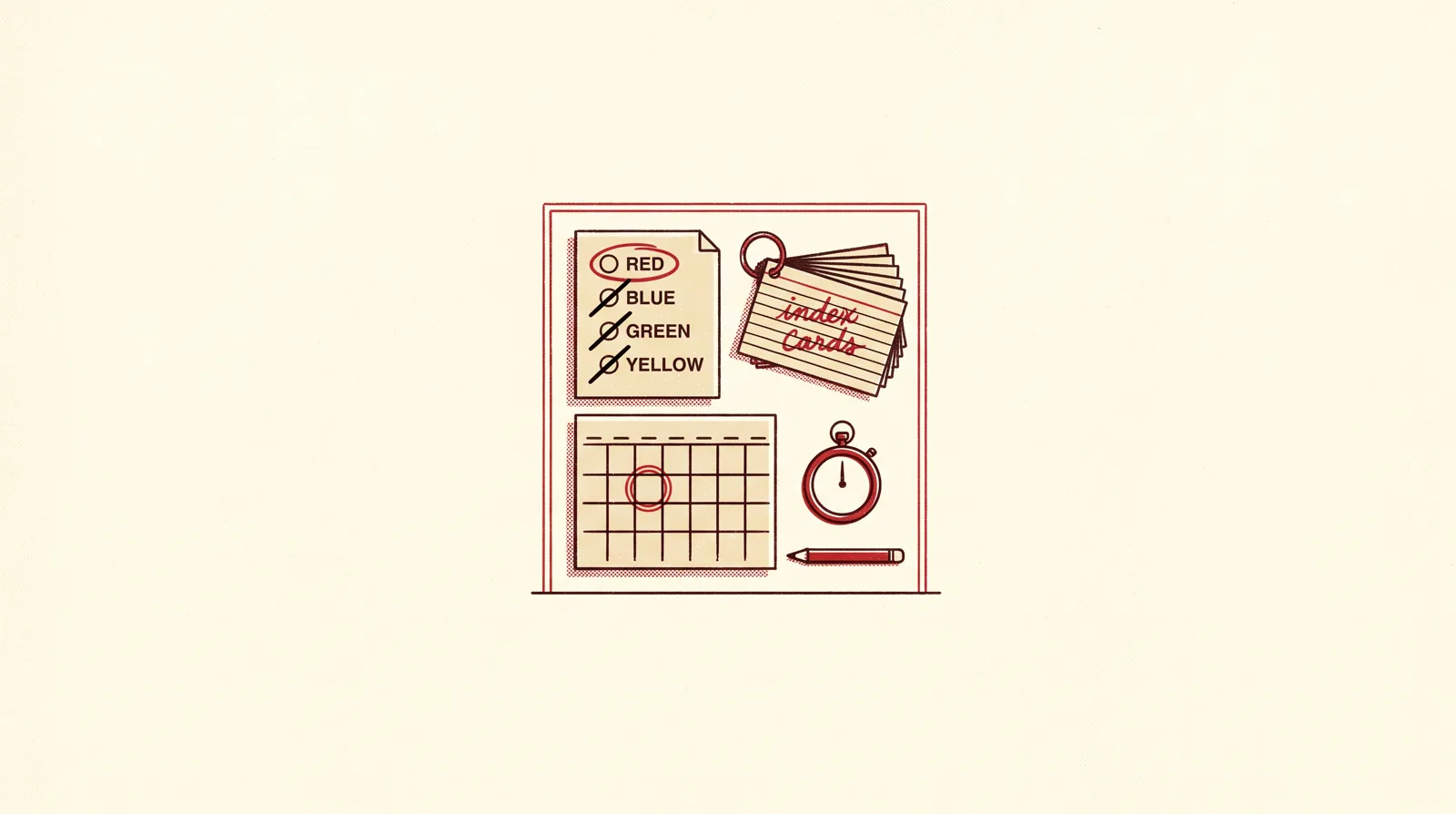
Người nắm được chủ đề vẫn trượt kỳ thi này. Không phải vì thiếu kiến thức — vì cách họ đọc câu hỏi, cách họ học từ một câu trả lời sai, và cách họ dành bốn giờ. Mọi câu hỏi ở dạng này phụ thuộc vào một từ viết hoa. MOST. BEST. FIRST. GREATEST. PRIMARY. Bốn tùy chọn được đưa ra trước bạn và ba trong số chúng là những việc một chuyên gia có năng lực sẽ thực sự làm. Chỉ một câu trả lời từ định tính. Một thói quen duy nhất — đọc từ định tính trước tiên, chủ đề thứ hai — là kỹ năng có lợi suất cao nhất trong môn học, và hầu như không có khóa học nào dạy điều này. Sau đó là cơ chế học tập. Bài thi thử cho ra một con số và một con số gần như vô dụng. Gắn thẻ cho mỗi câu hỏi vào một lĩnh vực, đếm số câu sai mỗi lĩnh vực, và học lĩnh vực đó thay vì câu hỏi. Xử lý các giải thích thay vì khoá trả lời: với mỗi tùy chọn sai, tại sao nó lại sai? Hầu hết thí sinh chỉ đọc câu trả lời đúng và nhận được một phần tư giá trị mà câu hỏi cung cấp. Sau đó là kỹ thuật. Thang điểm có thang đo là gì và tại sao bạn không thể tính điểm của mình từ những đếm thô. Phút mỗi câu hỏi, phương pháp hai lần quét, khi nào cờ và chuyển sang câu khác, và số học của việc đoán trong trường hợp không có hình phạt. Xây dựng một bộ phản xạ cho một số ít sự kiện phải tức thì thay vì suy luận. Điều gì thực sự xảy ra vào ngày thi, bao gồm cách làm khi câu hỏi đầu tiên là câu bạn không thể trả lời. Và những gì không nên làm: những trang có câu hỏi được thu thập, là lỗi thu hồi ở hầu hết các cơ quan và sai thường xuyên như đúng; theo đuổi chứng chỉ cho công việc bạn đã có; và đặt lịch trước khi chạy chẩn đoán. Có thể chuyển đổi giữa CISA, CRISC, CISSP, SC-200 và Security+. Không có công cụ, không có VM phòng thí nghiệm. Mỗi bài tập là bài tập ở bàn: cắt bài thi thử, sắp xếp thành những đống, viết bốn giải thích, tạo thẻ, lên kế hoạch ngược từ một ngày. Đây là một khóa học độc lập. Nó không liên kết với, được hỗ trợ bởi hay được phê duyệt bởi ISACA, ISC2, CompTIA hay Microsoft, và nó không tái tạo lại bất kỳ tài liệu nào từ bất kỳ công ty nào. Mọi câu hỏi trong đó đều được viết từ đầu cho khóa học này. Định dạng kỳ thi, thời lượng, số lượng câu hỏi và chấm điểm thay đổi — kiểm tra hướng dẫn hiện tại của kỳ thi của bạn cho mọi con số.
Nội dung khóa học · 3 mô-đun
lockMở khóa với quyền truy cập- 01 Trả lời Qualifier3 bài học·1h 27m
Bốn tùy chọn, tất cả chúng đều là những điều một chuyên gia có năng lực sẽ làm, và một từ được viết hoa quyết định đâu là câu trả lời. Nếu bạn chỉ nhớ một điều từ toàn bộ phân đoạn này, hãy ghi nhớ…
- 02 Biến Mock Thành Công Cụ Chẩn Đoán3 bài học·1h 35m
Một mock tạo ra một điểm số. Một công cụ chẩn đoán tạo ra một hướng dẫn. Hầu hết mọi người làm mock lần lượt, nhìn con số dịch chuyển vài điểm, và coi đó là thông tin. Đó là nhiễu. Module này là về…
- 03 Phản xạ, Phòng thi và Ngày thi3 bài học·2h 5m
Mọi thứ trong module này liên quan đến hiệu suất hơn là kiến thức. Những cặp định nghĩa bạn có thể hoàn hảo thảo luận cùng một tách cà phê là những cặp bạn sẽ quên ở câu hỏi thứ một trăm hai mươi, và…
Các câu hỏi thường gặp
- Tôi sẽ học gì trong Kỹ Thuật Thi Cấp Chứng Chỉ Bảo Mật?
- Cách ngồi thi cấp chứng chỉ bảo mật, không phải cách nắm được kiến thức: trả lời từ định tính viết hoa, biến bài thi thử thành chẩn đoán, xử lý từng tùy chọn sai lệch, phân bổ thời gian, và xây dựng các phản xạ không bị sụp đổ dưới áp lực. Một khóa học độc lập, không liên kết với hoặc được hỗ trợ bở
- Tôi có cần kinh nghiệm trước đó không?
- Nên có một số kiến thức trước đó trước khi bắt đầu Kỹ Thuật Thi Cấp Chứng Chỉ Bảo Mật.
- Kỹ Thuật Thi Cấp Chứng Chỉ Bảo Mật mất bao lâu?
- Kỹ Thuật Thi Cấp Chứng Chỉ Bảo Mật bao gồm 3 mô-đun và 9 bài học. Bạn học theo tốc độ của riêng mình.
- Làm cách nào để tôi có quyền truy cập?
- Kỹ Thuật Thi Cấp Chứng Chỉ Bảo Mật được bao gồm trong bất kỳ gói đăng ký nào.
Thêm trong Lập trình