Third-Party Risk, End to End
The whole supplier lifecycle, not the questionnaire. Finding the suppliers nobody told you about, deciding how much diligence each one is worth, getting the few clauses that matter, reading the evidence that keeps arriving, finding the four suppliers who turn out to be one, and getting out cleanly.
- trending_upIntermediate
- schedule7h 21m
- menu_book12 บทเรียน
- publicEnglish
- workspace_premiumBasic
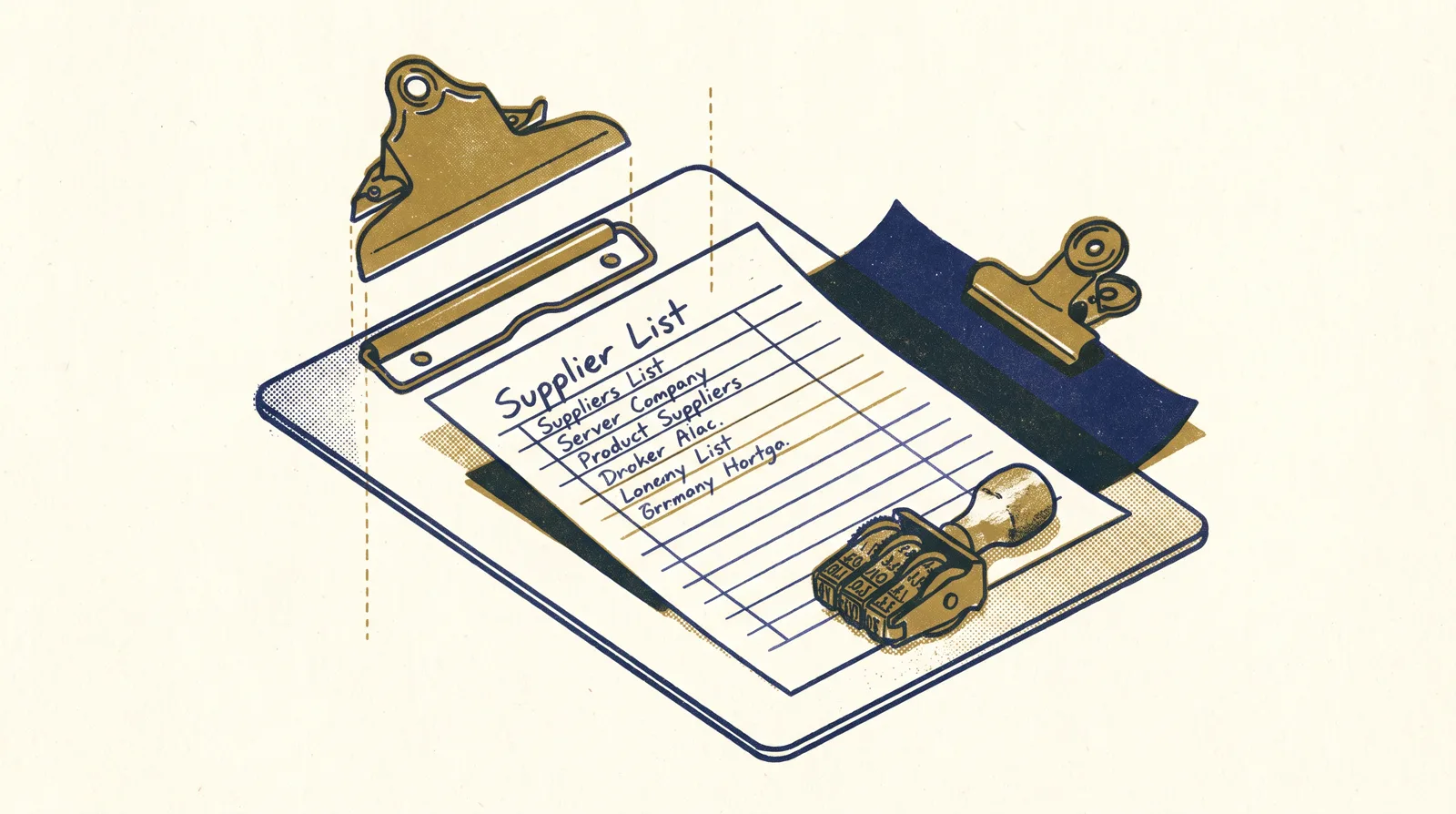
บทสรุป
Somebody in your organisation has bought something this month that holds customer data, and procurement has never heard of it. It was thirty pounds on a card, it was signed up for with a work email address, and there is no contract. That supplier is now inside your risk position and outside your register. Most third-party risk work fails there, before any questionnaire is sent. This segment is the lifecycle. You build a register from the card statement and the sign-in logs rather than from procurement, because those two sources know things procurement does not. You write a tiering rule that decides for you, so the level of diligence a supplier gets is not negotiated afresh every time somebody is in a hurry. You cut a question set down until it is short enough to actually come back, and you learn what a returned questionnaire is: a statement of intent, written by somebody who wants the deal, about a state of affairs nobody independent has checked. You get the handful of contract clauses that change what happens on a bad day, and you leave the rest to counsel, because contracts are legal territory and this segment says so in every lesson that touches one. You then handle nine months of evidence arriving at a mailbox nobody reads. Finally you map what is behind your suppliers, discover that four of them stop at the same moment for the same reason, and write an exit plan for the one you are leaving, whose administrator account is still active five months after the contract ended. A programme that produces a two-hundred-question spreadsheet has failed. It has externalised weeks of work onto suppliers who cannot afford it, selected for the ones with a compliance team rather than the ones with good practice, and produced no decision anybody changed. The test applied throughout this segment is narrower and harder: what would this question, if answered honestly, change about what we do? If the answer is nothing, the question comes out. You finish with five artefacts: a supplier register with owners and review dates, a written tiering rule, a question set of fifteen with a closing artefact against each one, a clause list with what each clause buys you, and an exit plan. None of them is long. All of them are the sort of thing that has to survive somebody else picking it up while you are on holiday. Every money figure, count and date in this segment is illustrative. The numbers are shaped so the arithmetic behaves realistically; none of them is a claim about what anything costs or how long anything takes in the real world. Nothing in this segment is legal advice: contract and data-protection content is legal territory, and the learner's own counsel decides.
เนื้อหาคอร์ส · 4 โมดูล
lockปลดล็อกด้วยการเข้าถึง- 01 รีจิสเตอร์ที่สร้างจากสิ่งที่คุณเห็นได้3 บทเรียน·1h 36m
หากคุณขอรายชื่อซัพพลายเออร์จากฝ่ายจัดซื้อ คุณก็จะได้รับรายชื่อสิ่งของที่ซื้อผ่านฝ่ายจัดซื้อ นั่นไม่ใช่ชุดเดียวกัน ใบแจ้งบัญชีบัตรเครดิตรู้เกี่ยวกับค่าใช้จ่ายประจำที่เกิดขึ้นซ้ำแบบสามสิบปอนด์…
- 02 การตรวจสอบขนาดนี้มีค่ากี่เท่า3 บทเรียน·1h 59m
ผู้จัดจำหน่ายสี่คนไม่สามารถตอบคำถามสองร้อยข้อได้ พวกเขาจะพยายาม ใช้เวลาเจ็ดสัปดาห์ ตอบได้หกสิบข้อ และคุณจะอนุมัติพวกเขาต่อไปแล้ว เพราะโครงการต้องการพวกเขาในเดือนมีนาคม…
- 03 สัญญา และหลักฐานที่ยังคงมาถึง3 บทเรียน·1h 40m
ข้อความไม่ได้หยุดอุบัติการณ์ สิ่งที่มันซื้อให้คุณคือประกาศ สิทธิในการเรียบเรียงหลักฐาน และทางออก นั่นคุ้มค่าที่จะมี และคุ้มค่าที่จะรู้ว่ามันคืออะไร…
- 04 บุคคลที่สี่ ความเข้มข้น และการออกจากระบบ3 บทเรียน·2h 6m
คุณมีผู้จัดจำหน่ายสี่รายในสี่ฟังก์ชั่น และคุณรู้สึกสบายใจเพราะนั่นคือความหลากหลาย จากนั้นคุณอ่านรายการผู้ประมวลผลย่อยทั้งสี่ และสามรายนั่นอยู่ในที่เดียวกัน ความเข้มข้นไม่ใช่สิ่งที่การตรวจสอบ due…
คำถามที่ถูกถามบ่อย
- ฉันจะเรียนรู้อะไรใน Third-Party Risk, End to End
- The whole supplier lifecycle, not the questionnaire. Finding the suppliers nobody told you about, deciding how much diligence each one is worth, getting the few clauses that matter, reading the evidence that keeps arriving, finding the four suppliers who turn out to be one, and getting out cleanly.
- ฉันต้องมีประสบการณ์มาก่อนหรือไม่
- แนะนำให้มีความรู้ก่อนหน้านี้ก่อนเริ่มต้น Third-Party Risk, End to End
- Third-Party Risk, End to End ใช้เวลานานเท่าไหร่
- Third-Party Risk, End to End มี 4 โมดูล และ 12 บทเรียน คุณเรียนรู้ได้ตามความเร็วของคุณเอง
- ฉันจะเข้าถึงได้อย่างไร
- Third-Party Risk, End to End รวมอยู่กับสมาชิกแบบจ่ายเงินใด ๆ
เพิ่มเติมใน การเขียนโปรแกรม