Build a Working AI Agent
An agent is a loop, and you are going to write it yourself before you are shown a framework that hides it. Four modules and four artefacts: the loop with its own tools and step cap, a defensible model choice, an agent that reads vendor documents and assembles a VAT return without double-counting anything, and a phishing-link scorer running against a model on your own machine.
- trending_upIntermediate
- schedule6h 56m
- menu_book12 lecții
- publicEnglish
- workspace_premiumBasic

Prezentare
This segment is built out of agents that are actually in use, and it is the opposite of a tour. You write one file in module 1 and every later lesson imports it. You start with the loop, in about twenty lines, against a fake model, with the network unplugged — because everybody who begins with a real key spends the first hour debugging authentication instead of the thing they came to learn. Then you harden it until no reply a model can produce will kill a run, and only then do you put a key anywhere near it. Module 2 is the boring, valuable part: where a key must never live, what to do in the first ten minutes after one leaks, and how to choose a model on twenty cases and a threshold you wrote down beforehand rather than on how it felt when you tried it twice. Module 3 is where the agent touches something real. You build a reader over a folder of vendor agreements that hands back a page and not a document, and an invoice collector that assembles a VAT return from a folder — and you make it safe to run twice, because it will be run twice, by somebody who is not sure whether the first run worked. Module 4 is what happens when it goes wrong at four in the morning and nobody is awake. Retries that only retry what is worth retrying, a run log a stranger can read a week later, and then a model on your own machine so that nothing leaves the box at all. The segment ends on the build that ties it back to defence: a scorer for a link somebody was sent, whose output is not a number but a paragraph a non-technical colleague can act on. Everything is the Python standard library. No framework, no installed packages, and every check in every lesson runs offline, so a lesson never depends on a credential working. Segment A1, AI Without the Hype, is assumed: next-token prediction, the resend on every turn, and plan with the strong model, execute with the cheap one. None of it is repeated here. It is used. **Nothing in this segment is offensive.** The phishing material is a scorer. It weighs a link that somebody has already been sent and never produces a link, a lure, a page or a way past a filter, and the standing rules are printed in the lab that uses it.
Planul cursului · 4 module
lockSe deblochează cu acces- 01 The Loop, Written By Hand3 lecții·1h 32m
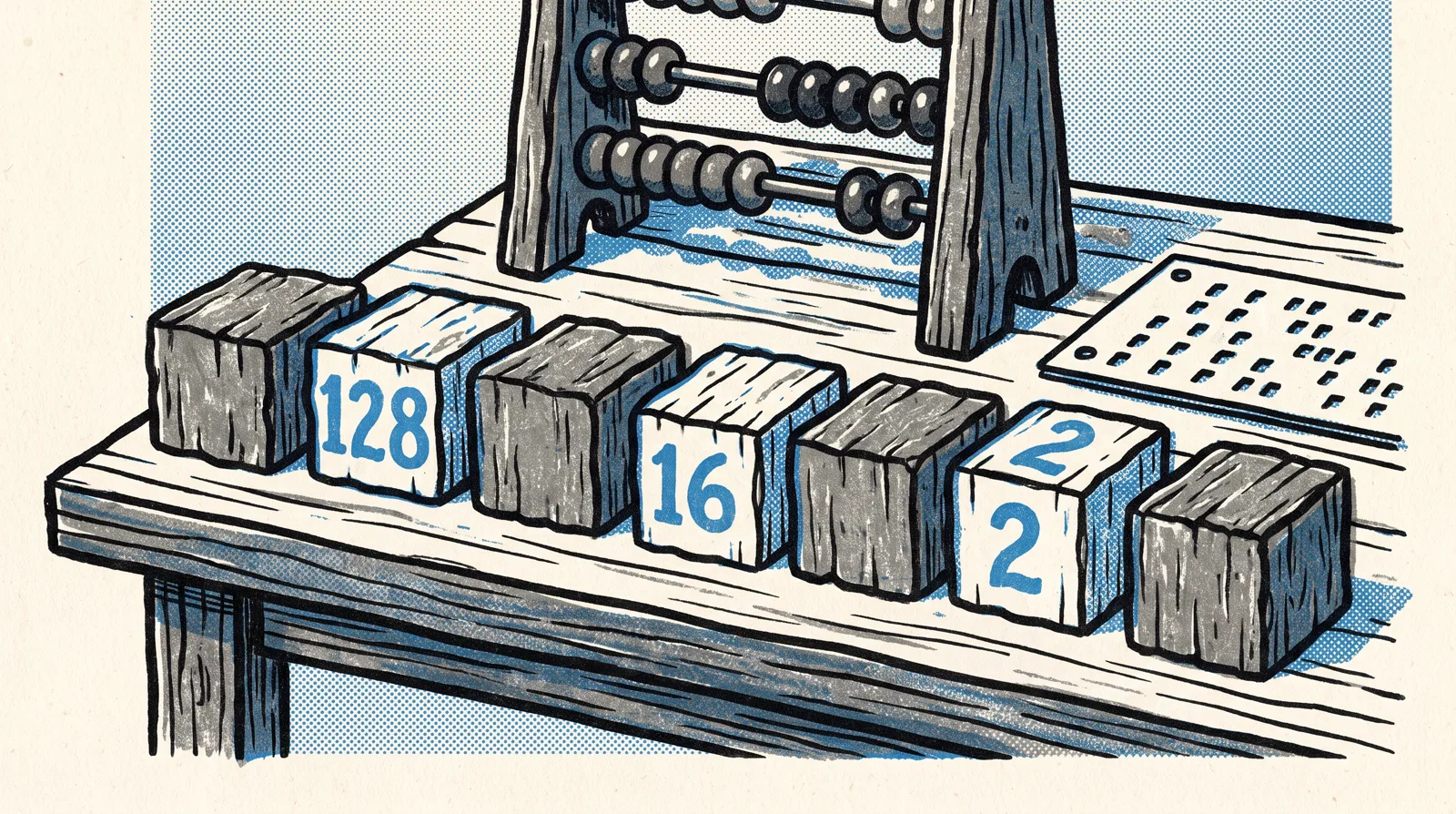
An agent is a loop. Every framework you will be shown is that loop with features bolted on, and you cannot tell which of those features you need until you have written the loop yourself.
- 02 Keys, Models and Evidence3 lecții·1h 29m
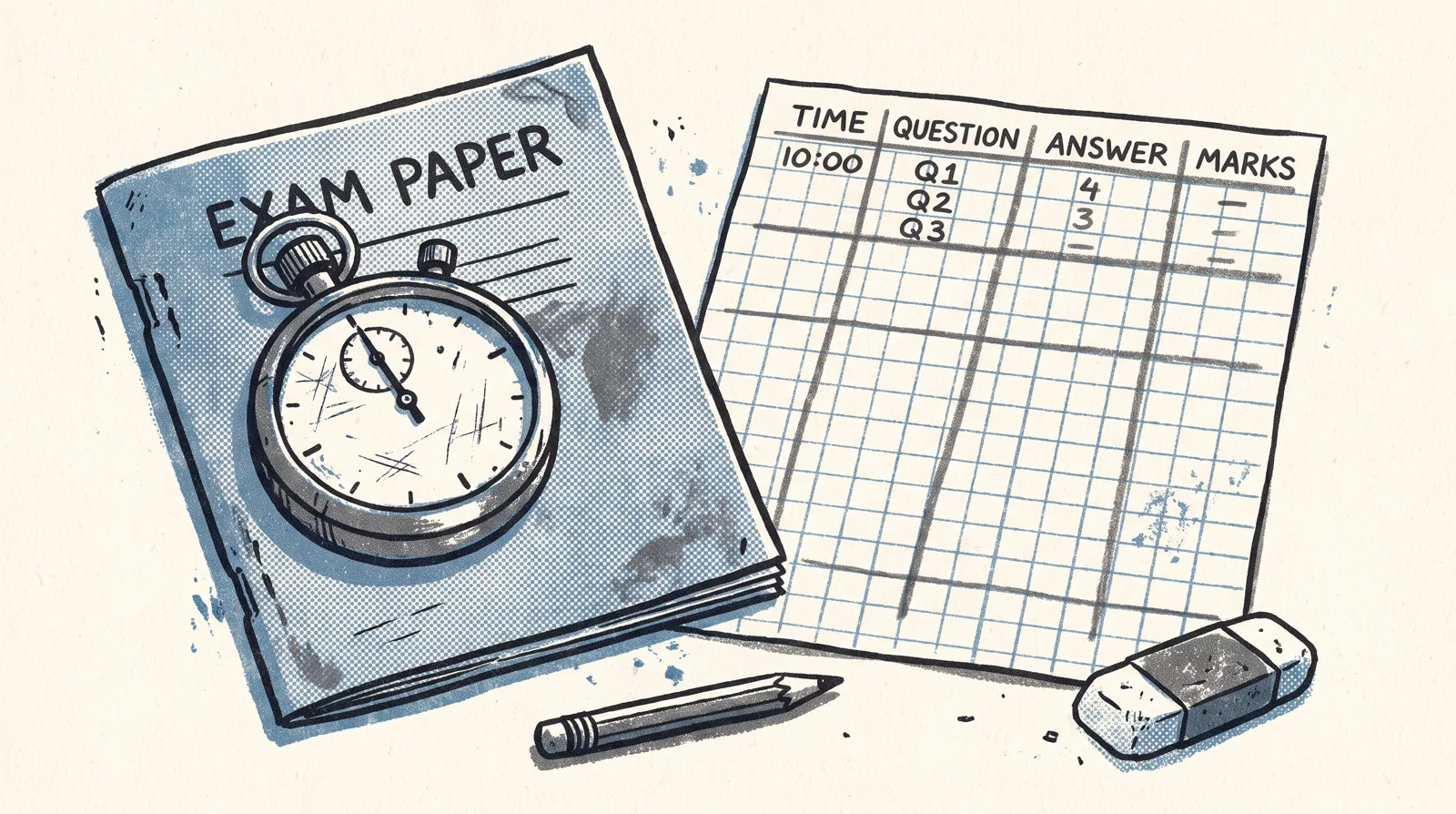
Everybody picks a model on how it felt when they tried it twice. Twenty cases and a mechanical check take an afternoon once and five minutes whenever anything changes, and only one of the two…
- 03 Tools That Touch The Real World3 lecții·1h 50m
Most tool-call failures are documentation failures. And any tool that changes something will be called twice, by a person who is not sure whether the first run worked, so calling it twice has to be…
- 04 The Failed Run, the Local Model, and the Link You Were Sent3 lecții·2h 5m
Four in the morning. Eight invoices are recorded, the ninth call fails, the process exits and nobody is awake. Should it have retried, what did it already do, and how would anyone find out.
Întrebări frecvente
- Ce voi învăța în Build a Working AI Agent?
- An agent is a loop, and you are going to write it yourself before you are shown a framework that hides it. Four modules and four artefacts: the loop with its own tools and step cap, a defensible model choice, an agent that reads vendor documents and assembles a VAT return without double-counting any
- Am nevoie de experiență anterioară?
- Se recomandă o anumită cunoaștere anterioară înainte de a începe Build a Working AI Agent.
- Cât timp durează Build a Working AI Agent?
- Build a Working AI Agent include 4 module și 12 lecții. Înveți în propriul ritm.
- Cum obțin acces?
- Build a Working AI Agent este inclus în orice abonament plătit.
Mai mult în Programare